This has been my son’s best season in ninja.
He’s near the top of his age group—something we’ve never experienced before. We’re incredibly proud of him. He’s worked hard, pushed through setbacks, and done things he once didn’t think were possible. Watching him step up to a course now, there’s a different kind of confidence—earned, not given.
Four years ago, this was all brand new. At his first ninja competition, he left in tears because he didn’t think he did well. For over a year after that, he questioned whether he could even be a ninja at all—whether he even belonged there.
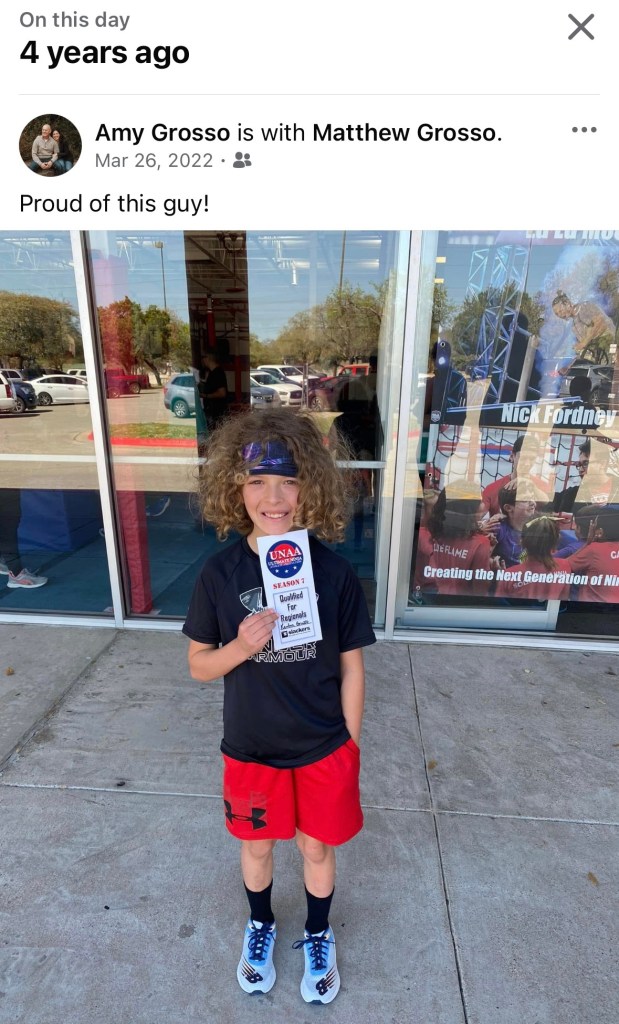
Back then, success looked very different.
And yet, this season has brought an unexpected challenge for all of us.
We’ve found ourselves checking in more often. Not about his training or his times, but about something deeper:
Is this about medals and rankings?
Or is this about doing what you love? About proving to yourself what once felt impossible?
Because when success starts to come, something subtle shifts.
The pressure gets louder. The expectations rise. And if we’re not careful, we stop experiencing the moment and start measuring it.
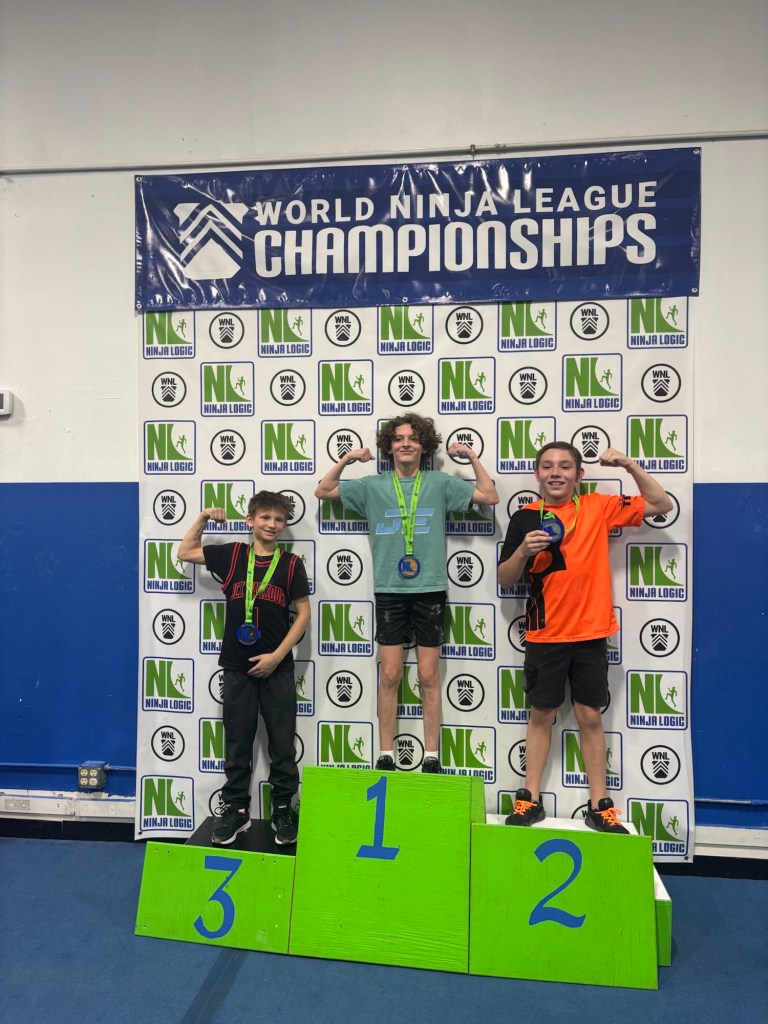
I’ve caught myself doing it—watching rankings more closely than I ever intended. Not because I care more, but because it’s hard not to get pulled into it.
It’s easy to say we’re supporting our kids.
It’s harder to admit how quickly we start optimizing them.
Not because we don’t love them—but because we do.
Kids feel that.
They feel when outcomes matter more than effort. When performance matters more than joy. When who they are starts to take a backseat to what they achieve.
We’ve had to remind ourselves—often—that this was never the goal.
The proudest moments for me aren’t the rankings.
They’re when other parents tell me how he cheers for every ninja, encourages other kids, and celebrates their wins as much as his own. Those are the moments that stay with me.
Because the best part of ninja isn’t the competition—it’s the community.
It’s the way kids support each other, the way they celebrate effort, the way they show up not just for themselves, but for everyone around them. And that’s the part we don’t want to lose as success grows.
Winning is exciting. Progress is meaningful. But neither should come at the cost of who our kids are becoming.
Success isn’t the problem.
What we start to value once it shows up is.
The goal isn’t to keep kids from succeeding. It’s to make sure they never feel like they have to earn their worth along the way—that who they are has always been enough, long before the rankings and long after them.
 Amy Bigbee Grosso, PhD
Leave a comment